Powerlifting 101
The Back Squat
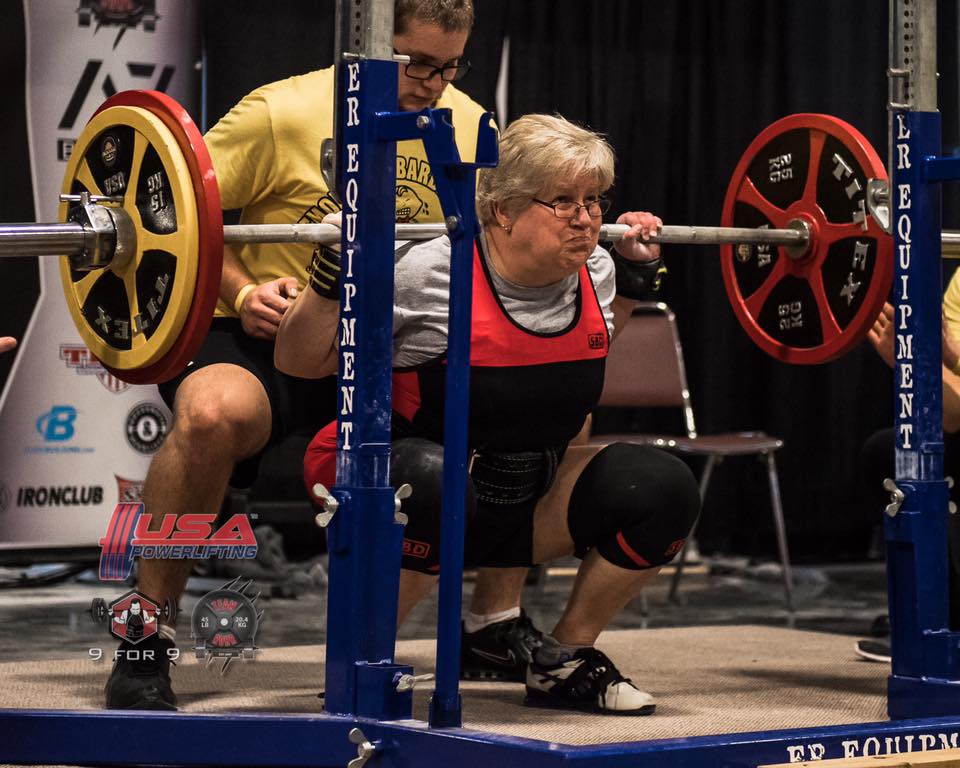
The squat is a demanding and extremely valuable exercise...
Demanding because it requires mobility through the hips and shoulders, strength in the legs and core, and the focus to concentrate through it all...
Valuable because a deep squat is one of the best bang-for-your-buck exercises you can do for strength and improved body composition.
The Set-up
Everyone's squat form will be slightly different. There are simply too many variables to suggest a single best standard.
However, the principles behind the technique remain the same.
Hands:
Your grip will determine bar control and position on your back. Too wide of a grip and you risk losing a secure wedge. Too close and risk irritating the shoulders and wrists.
The "sweet spot" allows you to generate the most amount of upper back tightness by pulling your lats down and shoulders together. A strong grip on the bar (whether thumbs go under or over) will help produce this tightness.
Feet:
Your feet determine knee and hip position, and ultimately squat depth.
When unracking the bar, the feet must be directly under you - not split or behind the bar. Besides the obvious safety issue, this also ensures a secure walkout.
As shown above, the walkout should be as few steps as necessary to set your preferred stance.
Now the big question - how wide should your feet be?
It's simply a matter of where you feel most comfortable and strong.
Powerlifters typically take a wide stance in order to hit depth quicker. This may or may not be appropriate depending on hip mobility and structure.
Most lifters will find their strongest stance somewhere a few inches outside of hip width with the toes pointed 25-35 degrees out.
Execute
Once you're in a strong standing position, take a deep breath and tighten the core.
Hold your breath as you descend under control. Once you hit depth, drive up as hard and fast as possible. Exhale through the sticking point while pushing the traps into the bar and the knees out.
Think about squatting with equal parts quads and glutes. This is difficult and tiring for sure, but will ensure you maximize every rep.
After your last rep, step into the rack. Keep your eyes forward as you make contact first with the up-rights, and then come down until the hooks catch the bar.
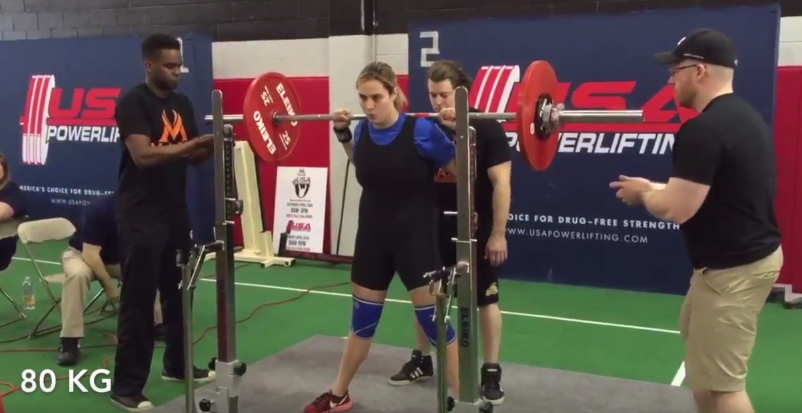
Commands & Judging
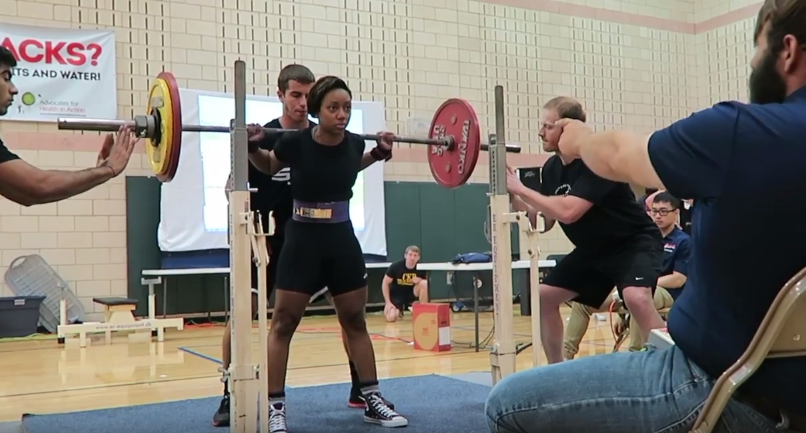
The squat is the first lift in a meet. It sets the pace and can make or break your experience.
The goal in any competition is to break the ice with a strong, easy squat. You'll get a number on the board and at least a little experience with the platform logistics.
These are the squat commands and a few points about judging.
Once your name is called, you may take up to a minute getting set-up.
After you step out and remain motionless with locked knees, you'll get the squat command.
"SQUAT!"
Take your breath and execute the rep. Once you squat up, remain motionless with locked knees.
"RACK!"
Now you may rack the bar. The spotters will help with this.
The most common reason for a "no-lift" on the squat is not achieving below-parallel depth. Otherwise, it's simply a matter of following the commands.
The Powerlifting Squat in Action:
Start @ 2:12
Hitting Depth
Depth issues with the back squat usually come down to improving mobility and/or motor control.
The ankles are an overlooked limiter of squat range of motion. A healthy squat starts with foot and ankle joint health.
After the feet are cleared, the obvious focus moves to the hips and back. A combination of basic static and dynamic stretching paired with core work is a good place to start.
Different drills, cues, and stretches will work for different issues. The human body is not static. Therefore, the best strategy involves A/B testing with the movement you're working on.
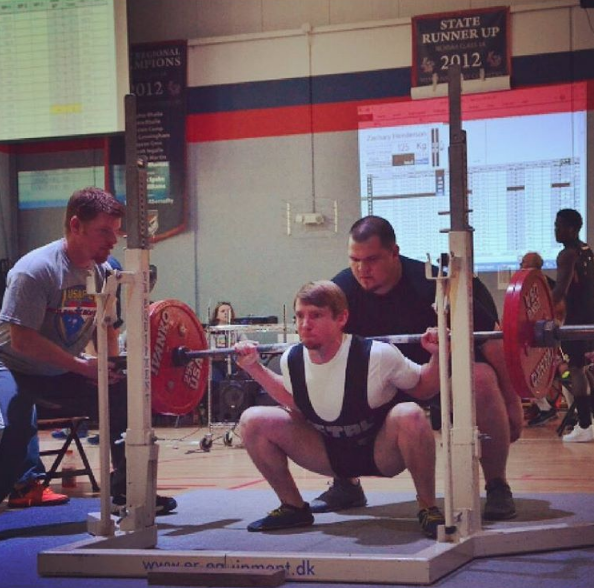
Your author with a blatant disrespect for "hips just below parallel."